Services
Acupuncture
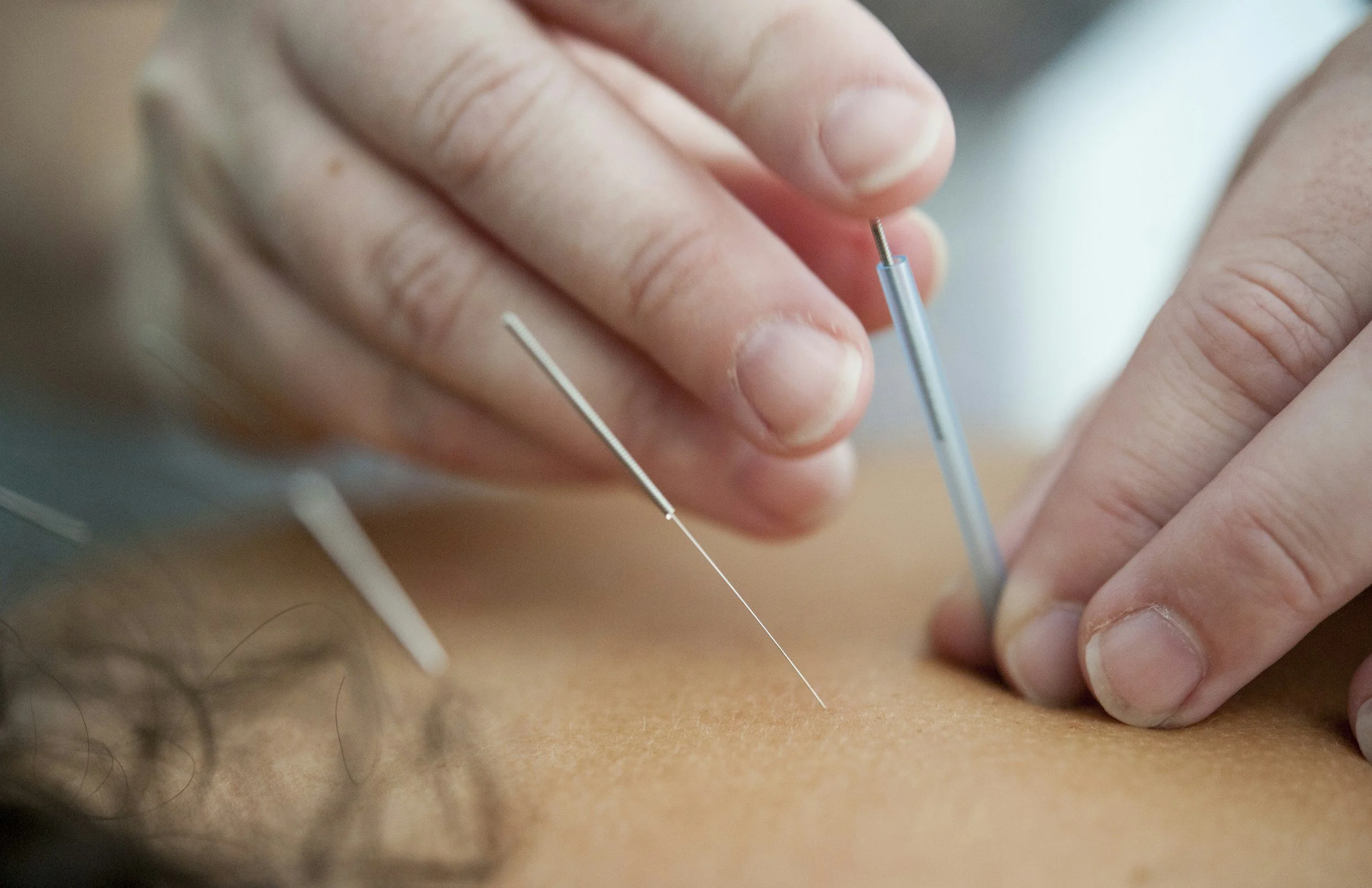
Acupuncture is a Traditional Chinese Medicine (TCM) therapy that involves inserting thin, sterile needles into specific points on the body. TCM describes health as the balanced flow of qi (vital energy) through meridians, with illness arising from stagnation or imbalance within meridians or related organ systems. Acupuncture works by targeting carefully selected points along these channels to help restore balance.
Research shows that acupuncture produces biological effects both at the site of needle insertion and throughout the body. These effects include improved blood flow, reduction in inflammation, and regulation of the nervous system. Acupuncture has also been shown to influence key regulatory processes, such as the release of endorphins, neurotransmitters, and hormones involved in pain modulation, stress response, and overall organ and systemic function.
Acupuncture is considered a safe, low-risk treatment. The needles used are extremely thin, and most people experience little to no discomfort. Mild sensations such as pressure, heaviness, or temporary soreness during or after treatment are common and typically short-lived.
The number of treatments needed varies from person to person. Some notice meaningful improvement after one or two sessions, while chronic or long-standing conditions often benefit from a series of treatments. Expectations and recommended frequency will be discussed during your initial visit based on your symptoms and goals.
Many people seek acupuncture for a specific concern and continue with periodic “tune-up” visits, whereas others may return only as new needs arise. Acupuncture can benefit almost anyone, even those without specific health concerns.
Herbal Medicine
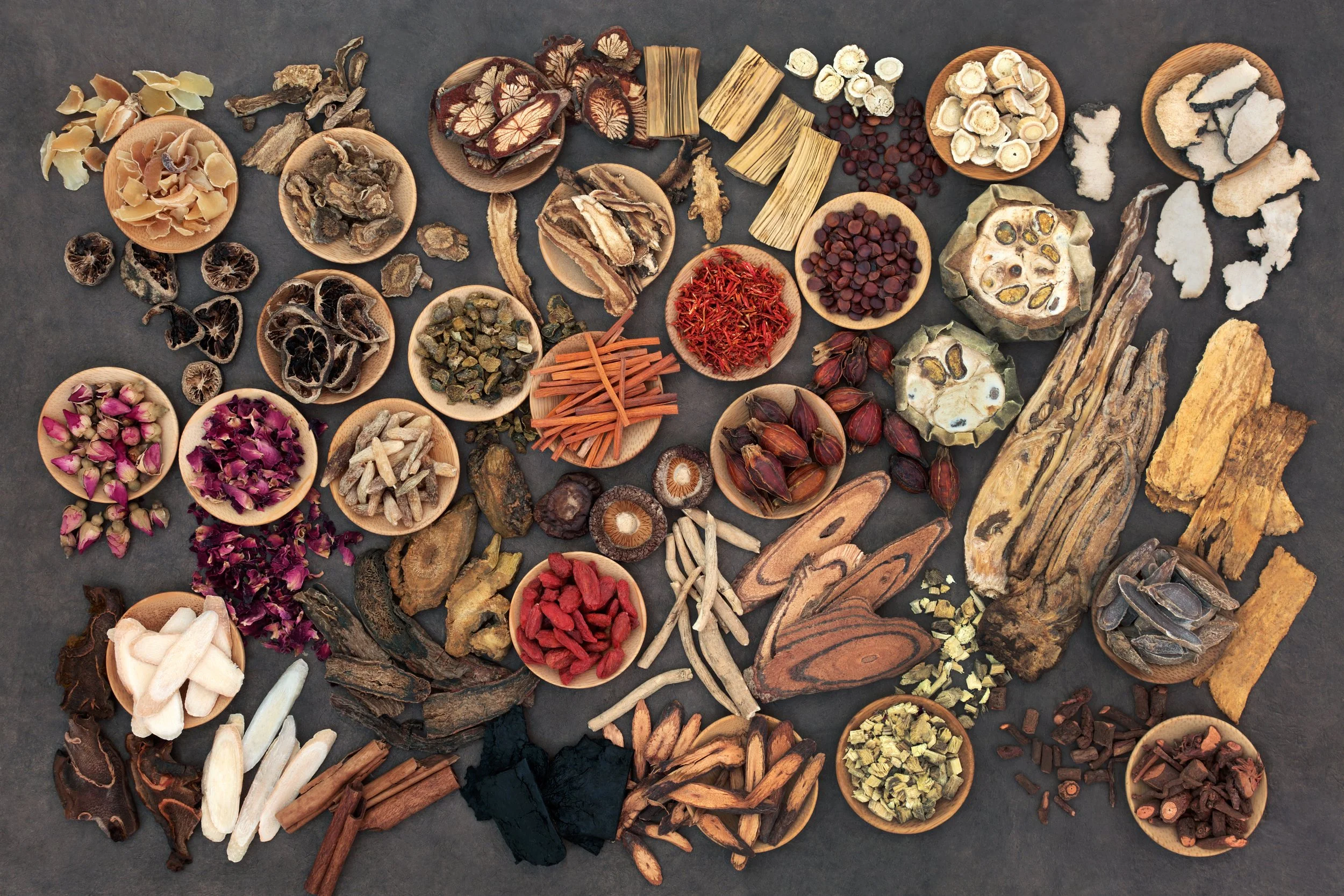
Chinese herbal medicine is a core component of Traditional Chinese Medicine and draws from a materia medica of over 400 herbs. These include primarily roots, bark, berries, flowers, seeds, fungi, and some minerals. Careful attention is given to excluding threatened or endangered species.
Safety and quality are always a priority. Herbs are sourced exclusively from reputable suppliers and undergo extensive third-party testing for purity, potency, and contaminants. Potential interactions with pharmaceutical medications are carefully considered, which is why it is important to share what you are currently taking. Herbal prescriptions may not be appropriate for those with complex conditions who are taking multiple medications. For many people, however, Chinese herbal medicine can offer supportive benefits when used appropriately.
Whole herbs are used rather than isolated compounds. As a result, herbal formulas tend to act more gradually than pharmaceutical medications. Herbs are combined to work synergistically, supporting both the root cause of imbalance and the presenting symptoms.
Herbal formulas may be prepared as decoctions (similar to tea but with a longer boiling time), granules (concentrated herbal powders), pills, or tinctures. Formulas are personalized to each individual and adjusted over time as needs change.
Telehealth appointments for herbal medicine are available for patients located in the state of Kansas.
Additional Therapies
Below are additional therapies your practitioner may incorporate into your acupuncture treatment when appropriate. These are just a few examples and not a complete list. They are typically included with your visit at no extra charge.
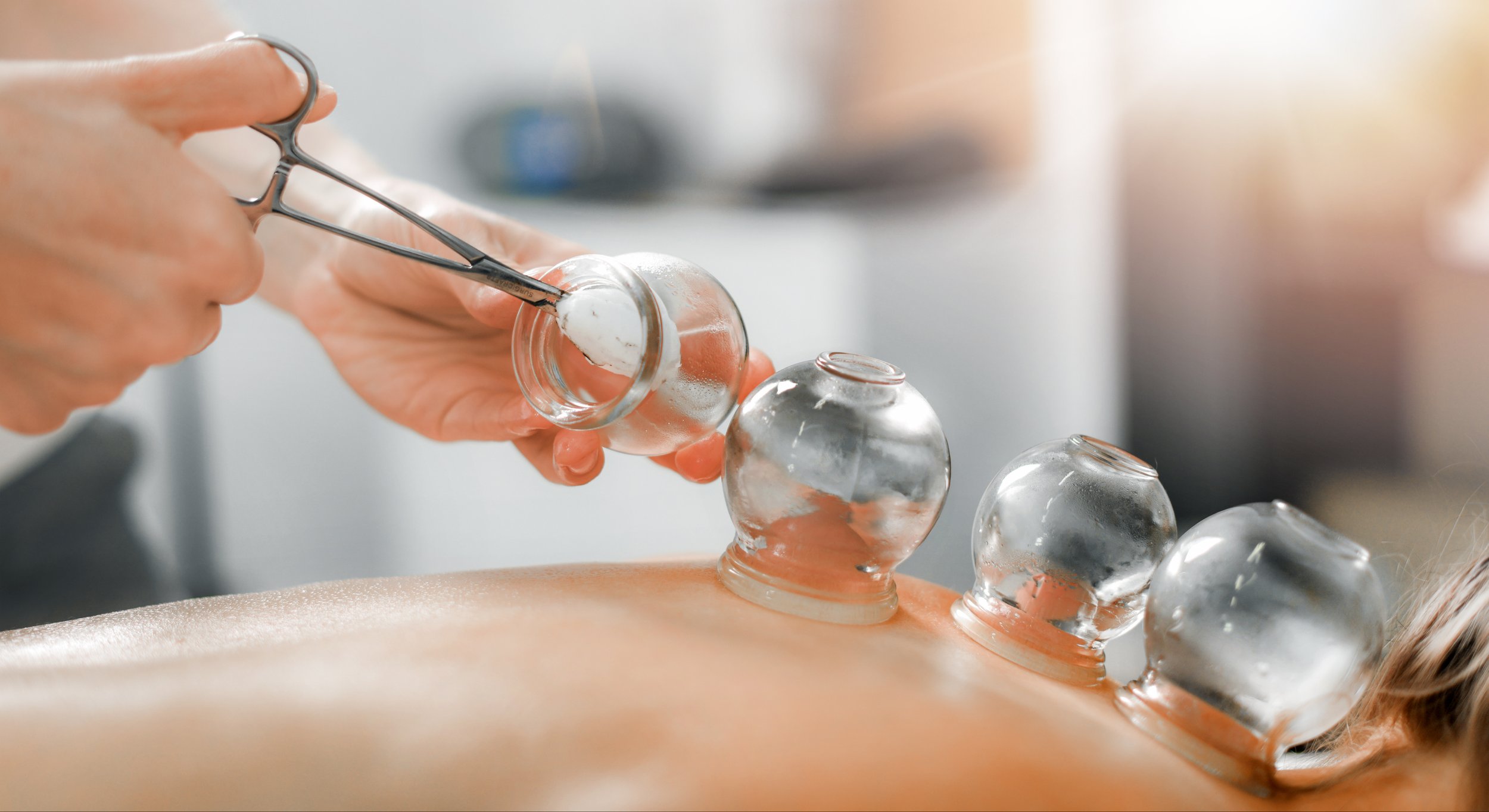
Cupping — Using traditional techniques, glass cups are placed on the skin to create suction, relieving pain and reducing areas of stagnation in the body. This increases local blood flow, reduces muscle tension, and promotes healing by stimulating circulation and the body's inflammatory and immune responses. Cupping typically lasts 5-15 minutes and can leave temporary circular marks where the cups were applied.
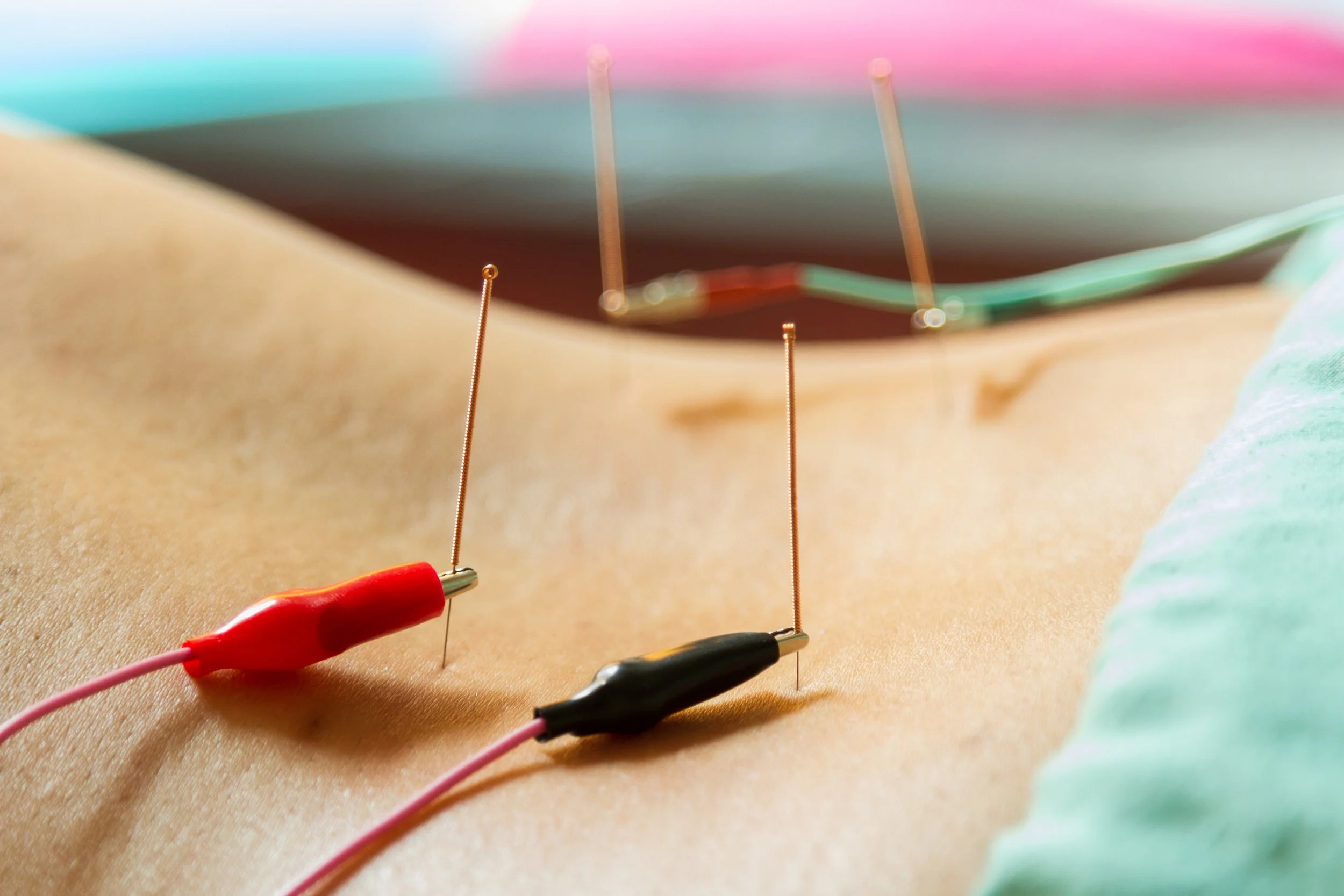
Electroacupuncture — A modern adaptation of acupuncture where small clips connect needles to a device that delivers gentle electrical pulses, increasing stimulation at targeted points to enhance therapeutic effects for conditions like pain, neuropathy, women’s health conditions, digestive disorders, and more. Most patients experience mild tingling or tapping sensations during treatment, which is always adjusted to the patient’s comfort level.
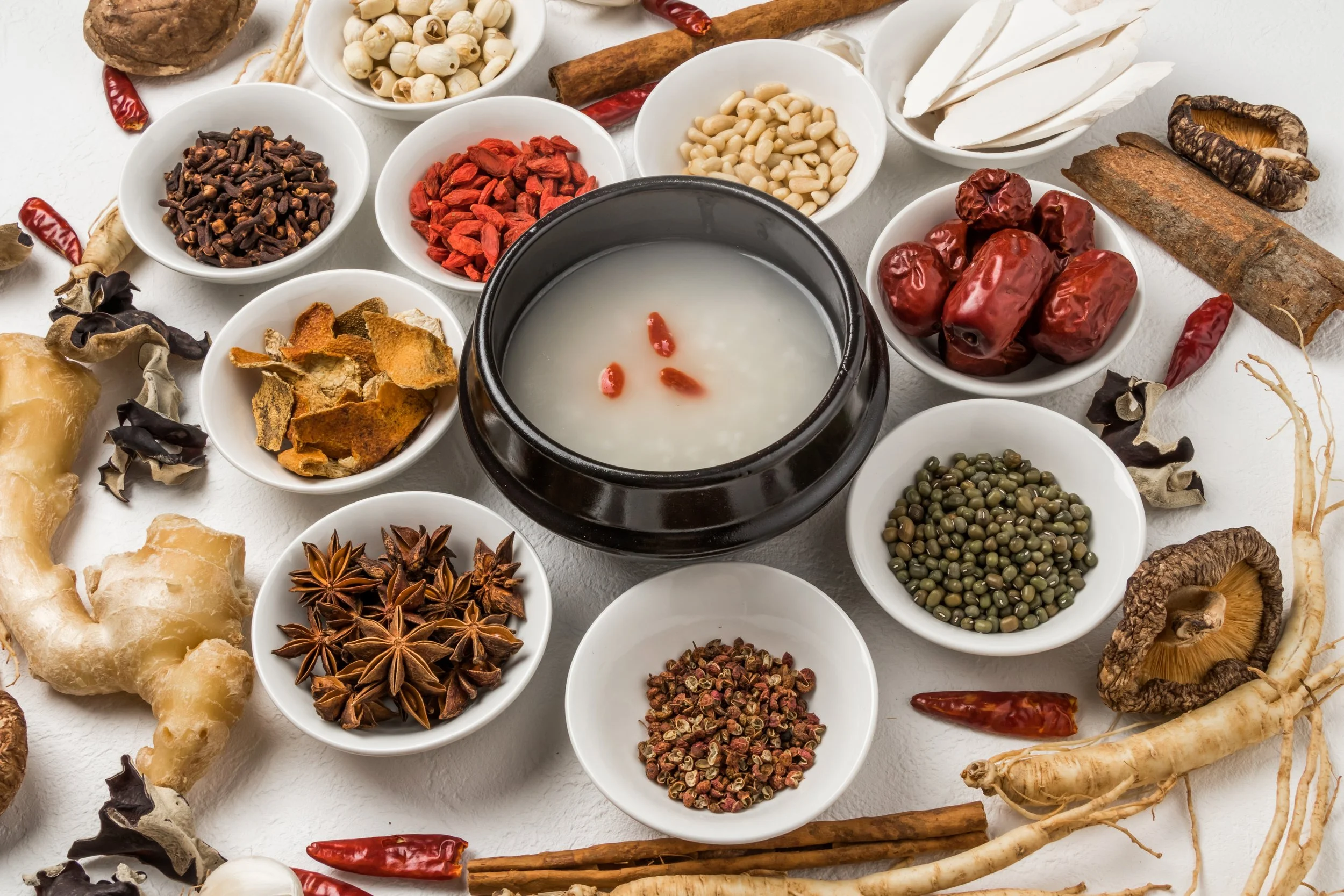
Food Therapy — Chinese food therapy emphasizes food as medicine through gentle, everyday support to restore and maintain balance, strengthen individual constitutions, and respond to the changing needs of each season and stage of life. It considers the intrinsic temperatures and energetic properties of foods, such as warming, cooling, moistening, or drying, for example. This approach is both therapeutic and a powerful tool for prevention, offering personalized recommendations based on each person’s unique constitution and imbalances. Rather than focusing on restriction, this approach emphasizes balance, moderation, and nourishment using foods that are familiar, accessible, and enjoyable.
Certain Chinese herbs are best utilized as food therapy and incorporated into daily life. You might already be cooking with a few. Check your pantry for cinnamon, ginger root, sesame seeds, walnuts, or green onions!
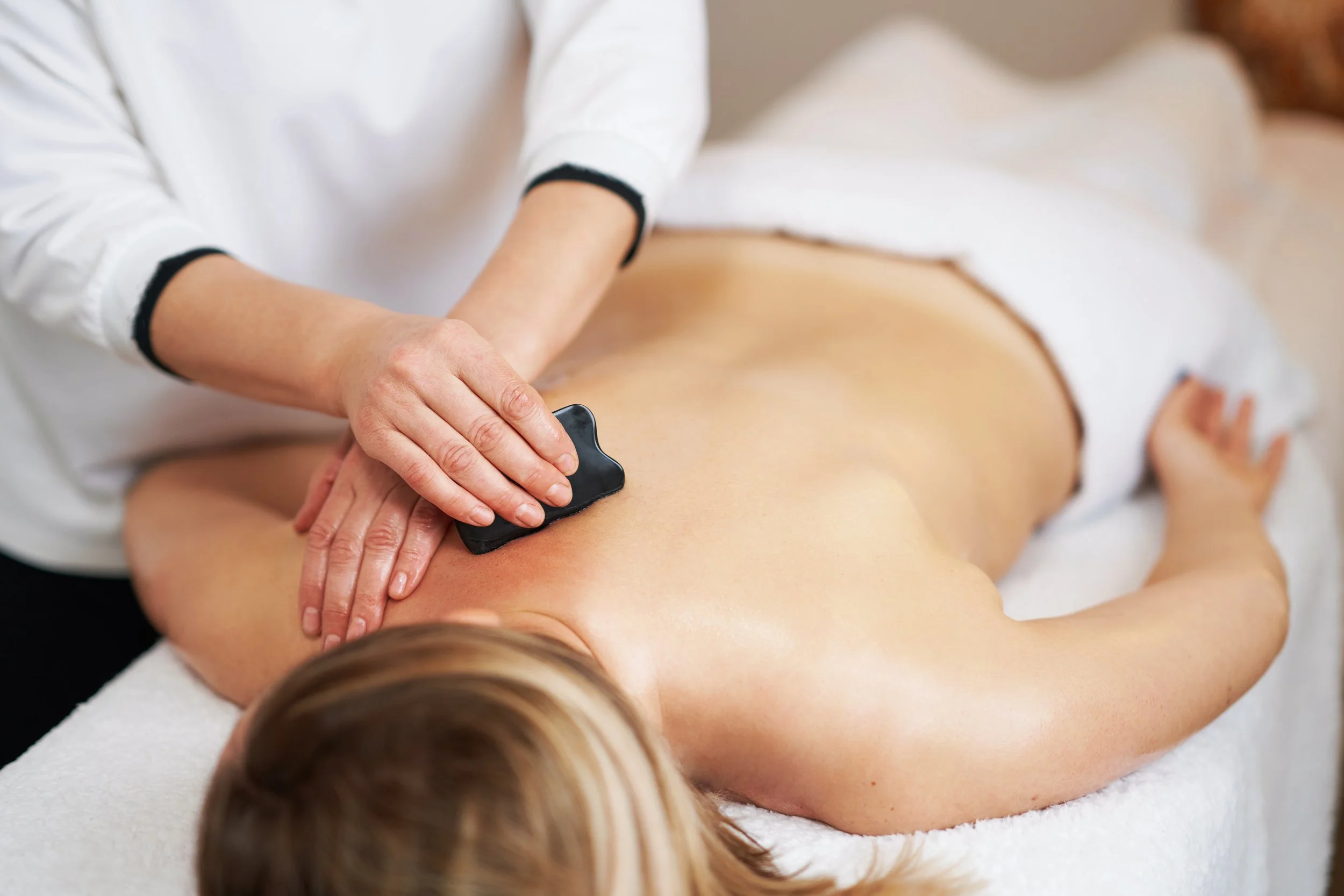
Gua Sha — A traditional manual therapy applied using a smooth-edged tool to gently scrape the skin. This encourages circulation, relieves muscle tension, and supports the immune system. While recently popularized as a facial rejuvenation tool, gua sha has been used for centuries and has a wide range of applications. It works by promoting blood flow and lymphatic drainage, reducing inflammation, and triggering the body's healing response. Redness or light bruising (sha) is a normal and temporary effect.